If you’re a South Florida homeowner thinking about selling, you’ve probably seen “We buy houses for cash” signs right alongside traditional real estate listings. Both paths can work—yet they’re very different experiences. Understanding how a cash sale to a local home buyer compares to listing with a realtor on the open market can help you choose what truly fits your situation, not someone else’s agenda.
Choosing the Best Way to Sell Your South Florida Home
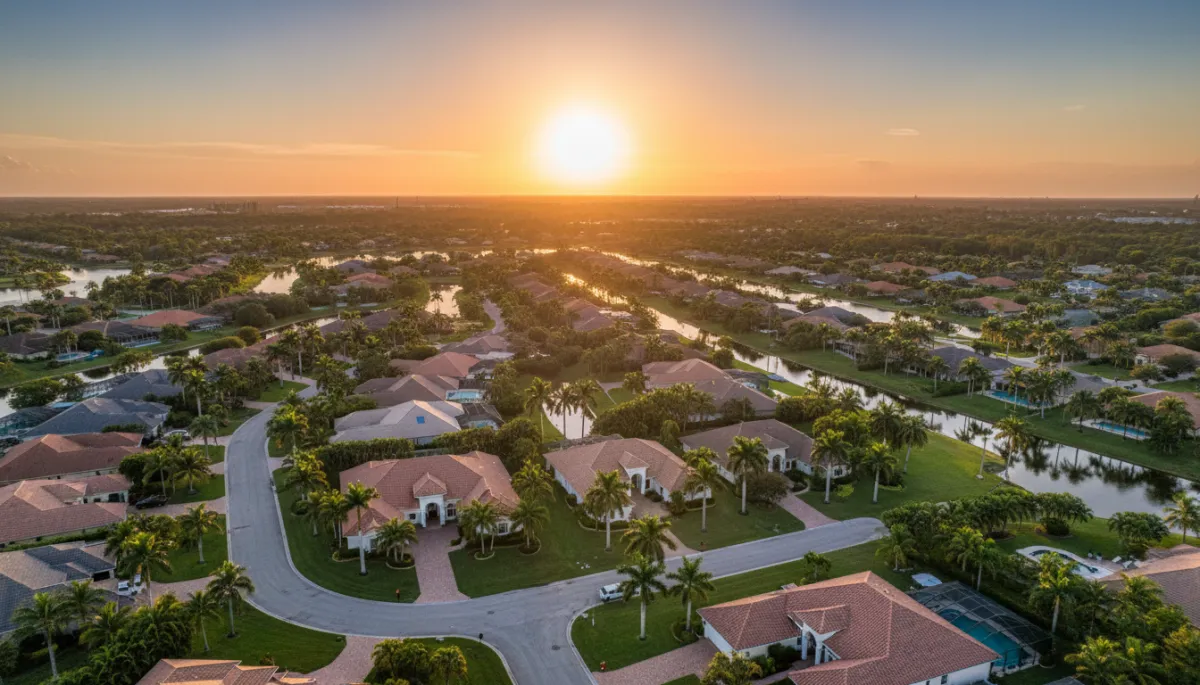
The Big Picture: Cash Buyer vs. Traditional Listing
A cash sale to a local home buyer usually means selling directly to an investor or home-buying company that purchases properties in as-is condition, often very quickly. A traditional listing means hiring a licensed realtor, putting your home on the Multiple Listing Service (MLS), marketing it to the public, and waiting for a buyer who is typically using a mortgage.
Neither option is automatically “better.” The right choice depends on your priorities: speed, convenience, certainty, and how much time and money you’re willing to invest before you sell. Let’s break down the key differences South Florida homeowners ask about most often.
Timeline: How Fast Do You Need to Sell?
With a cash buyer, closings can often happen in as little as 7–21 days, sometimes even sooner. Because there’s no bank involved, you skip loan underwriting, appraisals required by lenders, and many of the delays that come with financing. This can be especially helpful if you’re facing a job relocation, probate, divorce, or potential foreclosure and simply don’t have months to wait.
A traditional listing typically takes longer. In South Florida, it’s not unusual for a well-priced home in good condition to go under contract in 30–60 days, plus another 30–45 days for the buyer’s loan approval and closing. In slower markets or with homes that need work, the process can stretch much longer. If you have flexibility and aren’t in a rush, this longer timeline may be perfectly acceptable—and could give you the chance to attract multiple offers.
Repairs and Preparation: As-Is vs. Market-Ready
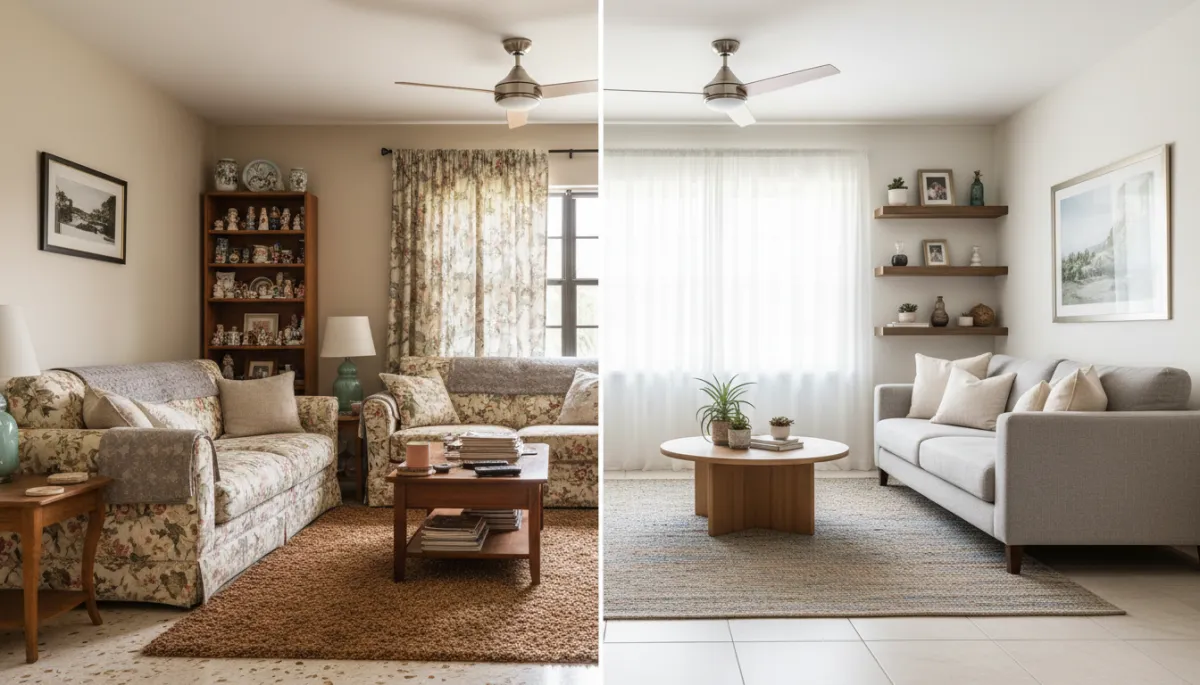
Most local cash buyers purchase homes “as is.” That means you don’t have to fix the roof, update the kitchen, deal with old plumbing, or even clear out everything if you don’t want to. For inherited properties, homes with hurricane damage, or houses that have been lived in for decades without major updates, this can remove a huge burden—both financially and emotionally.
With a traditional listing, your realtor will usually recommend repairs, deep cleaning, and possibly staging to make your home more attractive to buyers. In South Florida’s competitive neighborhoods, updated kitchens, fresh paint, and modern finishes can help you command a higher price. The trade-off is that you’ll likely spend time and money upfront, and you may still be asked to make additional repairs after the buyer’s inspection.
Fees, Commissions, and Closing Costs
One of the biggest differences between the two options is how fees and commissions are handled. With a traditional listing, sellers typically pay a real estate commission—often around 5–6% of the sale price—split between the listing agent and the buyer’s agent. You may also contribute toward buyer closing costs, plus pay your own title and closing fees.
Many cash buyers advertise “no commissions” because they’re purchasing directly from you without an agent. In some cases, they’ll also cover standard seller closing costs. However, cash offers are usually lower than top-market retail prices. The key is to look beyond the headline number and compare net proceeds after all fees, repairs, and holding costs like mortgage payments, taxes, insurance, and utilities while you wait to sell.
Certainty of Closing: How Much Risk Can You Tolerate?
With a qualified cash buyer, once you agree on a price and sign a simple purchase agreement, there are usually fewer ways for the deal to fall apart. There’s no financing contingency, and experienced local buyers understand South Florida-specific issues like insurance, older roofs, and flood zones. That can make closing more predictable, which is valuable if you’re coordinating another purchase or major life change.
In a traditional sale, even strong offers can fail if the buyer’s loan is denied, the appraisal comes in low, or inspection negotiations break down. Most of these problems can be managed with a good realtor, but there’s still some uncertainty. If you’re comfortable with a bit of risk in exchange for the possibility of a higher price, this route can still make sense.
Net Proceeds: What Do You Actually Walk Away With?
At the end of the day, most homeowners care less about the “sticker price” and more about what they actually put in their pocket. To compare fairly, it helps to write out two simple estimates:
- Traditional listing: expected sale price minus repairs, commissions, seller-paid closing costs, and several months of holding costs.
- Cash offer: offer price minus any remaining mortgage and minimal closing costs, usually with no repairs.
In some situations, the traditional route clearly wins on net proceeds. In others—especially with properties needing major work—the difference is smaller than expected, and the speed and simplicity of a cash sale become more attractive. Running the numbers side by side is the only way to know for sure.
When a Cash Sale Makes the Most Sense
A cash sale to a local home buyer often works best when:
- You need to sell quickly due to relocation, financial pressure, or life changes.
- The property needs significant repairs or updates you can’t or don’t want to handle.
- You’re dealing with an inherited, vacant, or problem property and value convenience over squeezing every last dollar out of the sale.
When a Traditional Listing Might Be Better
Listing with a realtor on the open market is usually the stronger choice when:
- Your home is in good condition or recently updated, especially in a desirable South Florida neighborhood.
- You have time to prepare, show, and negotiate for the best possible price.
- Maximizing every dollar of equity is more important than selling quickly or avoiding repairs.
How to Get a No-Obligation Cash Offer for Comparison
You don’t have to guess which option is better—you can compare in writing. Most reputable South Florida home buyers will provide a free, no-obligation cash offer after a quick walkthrough or even a virtual tour. There’s no cost to you, and you’re not locked into anything by asking for numbers.
To get the most accurate comparison, ask three things: what price they’ll pay as is, what closing timeline they can guarantee, and what costs they’ll cover. Then speak with a local realtor to estimate your likely sale price, recommended repairs, and expected days on market. Lining up both scenarios side by side will make your decision far clearer—and ensure you choose the path that truly fits your goals, your timeline, and your South Florida home.